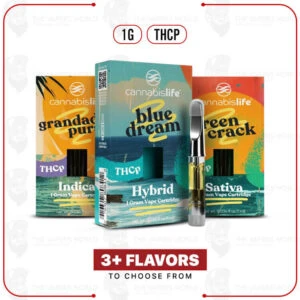
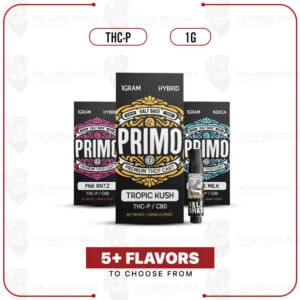
THCp Cartridge: Ingredients, Lab Reports, and Key Facts
A THCp Cartridge contains vape oil made with tetrahydrocannabiphorol, usually shortened to THCp. The name tells you one part of the formula. It does not reveal the full blend, its strength, or the quality of its testing.
Two THCp carts can look alike and contain different amounts of each cannabinoid. Read the ingredient list, oil weight, and matching lab report together. Those details explain more than a flavor name or a claim about strength.
Some formulas combine THCp with Delta-8 THC or HHC, short for hexahydrocannabinol. These are different cannabinoids, so check each amount separately. Combining them does not prove that a blend is balanced or that its effects are predictable.
THCp Carts: What the Research Numbers Mean
Scientists identified THCp in a cannabis variety in 2019. Its side chain contains 7 carbon atoms, compared with 5 in Delta-9 THC. In laboratory tests, THCp showed about 33 times greater binding affinity at the human CB1 receptor.
Binding affinity describes how tightly a compound binds to a receptor. It does not measure how strong a finished vape feels. The study used laboratory and animal tests, not clinical comparisons of commercial cartridges.
The original Scientific Reports study explains the finding. It does not establish a standard human dose or duration of effects. Claims that use “33 times” to promise a particular experience go beyond that evidence.
THCp Vape Oil: Read the Amount, Not Just the Name
The largest number on a label may describe all the oil inside. It may not describe the amount of THCp. THCp vape oil can contain several cannabinoids alongside terpenes and other declared ingredients.
1 gram equals 1,000 milligrams. If a 1-gram blend contains 1% THCp by weight, it contains 10 milligrams of THCp in total. This is a label-reading example. It does not describe a suggested amount to inhale.
| Measurement | What it means | Example |
|---|---|---|
| Total oil weight | The mass of the whole blend. | 1 gram is 1,000 milligrams of oil. |
| THCp percentage | The share of the blend measured as THCp. | 1% by weight means 1 part in 100. |
| Total THCp amount | The THCp mass across the whole blend. | 1% of 1,000 milligrams is 10 milligrams. |
Also check the units. Milligrams measure mass. Milliliters measure volume. These units are not interchangeable without knowing the oil’s density. A total cannabinoid percentage does not tell you the separate THCp amount, either.
Terpenes contribute to aroma. Names you may see include myrcene, limonene, and pinene. A terpene list does not prove that a blend improves sleep, focus, or mood. Look for the actual ingredient list rather than assuming a strain name reveals the formula.
THCp Vape Cartridges and Batch Lab Reports
A Certificate of Analysis, or COA, lists lab results for a tested sample. For THCp vape cartridges, the report should match the batch number on the packaging. A report for a different batch cannot confirm what was measured in yours.
Read these details before drawing conclusions from a “lab-tested” claim:
- Batch number: The report and packaging should identify the same batch.
- Lab and date: Check who tested the sample and when.
- Cannabinoid breakdown: Look for separate results for the compounds named on the label.
- Contaminant tests: Check the scope, including any solvent, pesticide, or metal screens.
- Detection limits: Read the report’s explanation of “not detected.”
A potency test measures cannabinoid content. It does not replace a contaminant screen. “Not detected” means below a test’s stated detection limit, rather than proof of absolute zero.
A QR code should lead to the relevant report, not just a general brand website. If the report is missing or does not match, the testing claim remains unresolved.
Liquid chromatography separates compounds for measurement. NIST research on cannabinoid testing shows why validated methods matter. Check that THCp is specifically measured, rather than assuming a standard cannabinoid panel includes it. A method name alone cannot establish the scope or quality of a report.
What the Ingredient and Extraction Terms Tell You
“Naturally occurring” describes a compound found in nature. It does not explain how a commercial ingredient was produced. “Hemp-derived” also leaves questions about processing and the finished formula.
Manufacturer records can clarify whether an ingredient was extracted, made through chemical conversion, or blended with other extracts. These terms describe different production steps. None replaces testing of the finished batch.
THCp, Delta-9 THC, and Delta-8 THC are distinct cannabinoids. A blend may contain more than one. Its effects cannot be ranked from the THCp name alone. Strain names and descriptions such as “relaxing” do not replace a measured ingredient breakdown.
Nor can the 33-times binding result be applied to Delta-8 or HHC blends as a whole. Evidence for one isolated compound does not establish how a finished mixture behaves.
THCp Disposable, Cartridge, and Vape Pen: Know the Terms
A cartridge is the oil-containing component with a heating element. A THCp disposable generally combines the oil reservoir and battery in one device. Rechargeable does not necessarily mean refillable.
A THCp vape pen may refer to the full device or just the battery. A 510-thread connection describes a common threaded fitting. That fitting alone does not confirm every aspect of compatibility.
The manufacturer’s specifications should identify the intended hardware. Avoid forcing connections or modifying a damaged cartridge. Device format cannot establish the oil’s composition or its test results.
THCp Effects, Timing, and Unwanted Reactions
The research cited here does not establish a fixed onset or duration for commercial THCp vapes. A receptor-binding result cannot tell you when effects will peak or end. A blend’s other ingredients also matter.
For blends containing Delta-8 THC, the FDA reports adverse reactions that include anxiety, dizziness, and confusion. These reports concern Delta-8 products, not a measured rate of THCp side effects. Do not drive while impaired. Seek medical help for severe or worrying symptoms.
Puff Counts, Shelf Life, and Storage
A claim of 800 to 1,750 puffs needs a stated test method. It is not a verified standard for every cartridge. Oil quantity, draw length, and device output can change the count. Puff totals also do not show the THCp amount delivered with each draw.
Likewise, a general 6 to 12 months shelf-life estimate cannot cover every blend. Use the manufacturer’s expiration date and storage instructions. Time spent in heat or sunlight matters, even when a package remains sealed.
Keep products secured away from children and pets. Follow the packaging guidance for light, heat, and storage position. Do not heat, puncture, or alter leaking hardware to make it usable.
Legal THCp Cartridges: Florida Rules and Their Limits
The words “legal THCp cartridges” are a claim, not proof of compliance. Finding THCp carts for sale online does not establish their legal status where you live.
Florida Statutes section 581.217 sets a 0.3% total Delta-9 THC limit, using a wet-weight basis for hemp extract. The law also includes testing and packaging rules. Hemp extract intended for ingestion or inhalation cannot be sold to anyone under 21.
That limit alone does not settle every legal question about a THCp formula. Ingredients and other applicable rules still matter. For readers in Hallandale Beach, Aventura, Sunny Isles Beach, and North Miami Beach, Florida law is relevant. It cannot establish the rules in another state.
Use current official sources for the jurisdiction involved. A seller’s wording is not a substitute for those requirements.
State rules may address individual cannabinoids, processing methods, or product types. A Florida test report cannot establish permission to possess or ship a blend elsewhere.
THCp Cartridge FAQs
What is a THCp Cartridge?
A THCp Cartridge holds vape oil that contains tetrahydrocannabiphorol, known as THCp. The name alone does not reveal the full blend, THCp concentration, or test results.
Is THCp 33 times stronger than THC?
The 33-times figure concerns CB1 receptor binding in laboratory research. It does not prove a 33-times stronger effect in people or predict how a commercial blend will feel.
Does 1 gram mean 1,000 milligrams of THCp?
No. One gram equals 1,000 milligrams of total material. The THCp amount depends on its share of that material. Read the separate cannabinoid results in the batch report.
What should a THCp lab report include?
Check the batch number, laboratory name, report date, cannabinoid amounts, and contaminant tests. Match the report to the packaging. A potency result alone does not show a full contaminant screen.
Are legal THCp cartridges allowed everywhere?
No single label establishes legal status everywhere. Rules depend on the location and product details. Florida has hemp testing, labeling, and age requirements. A compliant Delta-9 THC result alone does not settle every legal question.
How many puffs does a THCp cartridge provide?
There is no fixed count for all cartridges. Oil quantity, device output, and draw length affect the total. Puff estimates do not establish the THCp amount delivered with each draw.
How long does THCp vape oil stay fresh?
Follow the expiration date and storage instructions on the packaging. A general shelf-life claim cannot account for every blend or storage condition. Keep products secured away from children and pets.
Are lab-tested THCp carts risk-free?
No. Lab testing can show results for the sample and tests listed. It does not prove that inhaling the product is risk-free or suitable for a particular person.
How soon do THCp effects begin, and how long do they last?
The research cited here does not establish a fixed timeline for commercial THCp vapes. Receptor-binding data cannot predict onset, peak effects, or duration. Treat broad timing claims as unverified without relevant human evidence.
Is there a standard THCp dose for beginners?
The research cited here does not establish a standard beginner dose. Cartridge weight and puff counts cannot supply one. Discuss health concerns or possible medicine interactions with a qualified healthcare professional.
Questions About Information Published by Vibe District?
For questions about a label or lab document referenced by Vibe District, use the contact details. Include the product name, batch number, and report date so the question is clear.
The About Vibe District section provides background on the Hallandale Beach business. A business description and a batch report serve different purposes. Neither should be mistaken for medical advice or a guarantee of safety.